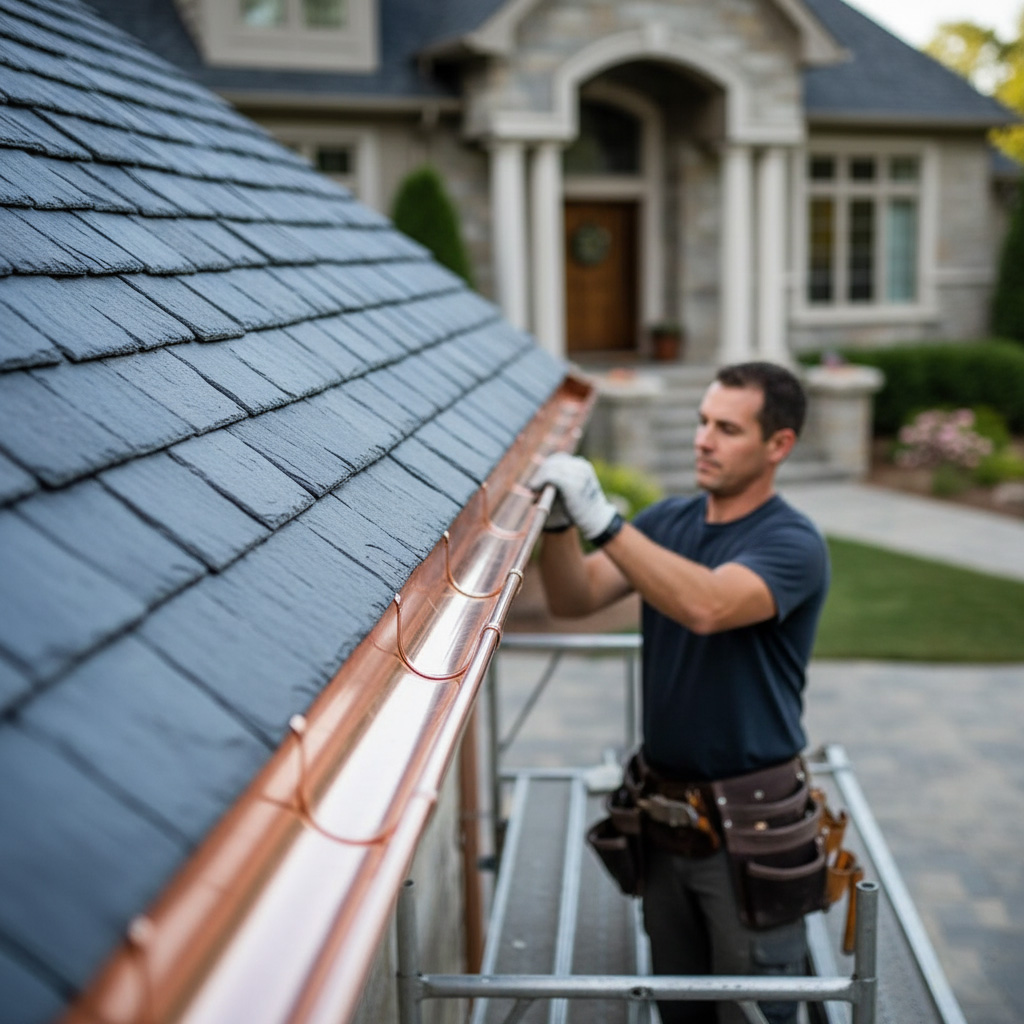


⚡ TL;DR: This guide helps Boston homeowners install roof ventilation to cool attics, cut energy costs, and improve comfort with types, signs, steps, and real results.
📋 What You’ll Learn
In this guide to roof ventilation installation in Boston, you’ll learn how it cools attics, saves energy, selects ideal systems, spots upgrade needs, and follows a proven step-by-step process for Beantown homes.
- Grasp how roof ventilation cools Boston attics by expelling hot air and drawing in cooler breezes, reducing heat buildup during humid summers and preventing ice dams in winter.
- Uncover top energy-saving benefits for Beantown homeowners, including lower AC bills, extended roof life, improved comfort, and compliance with local efficiency standards year-round.
- Explore essential ventilation types suited to Boston’s climate, from ridge vents and soffit intakes to powered fans, helping you pick the best for your home’s needs.
- Identify key signs for upgrades like high energy costs, attic heat, moisture damage, or poor airflow, so you can act before costly roof repairs become necessary.
- Master the installation process with a simple step-by-step guide, real South End case study, and tips to ensure professional results and lasting performance.
📖 Reading time: 7 min
✍️ Author expertise: Boston roofing pro with 20 years installing ventilation systems from real local fieldwork.
Ever crank up the AC in your Boston home during a sticky summer scorcher, only to watch your energy bill climb like Fenway ticket prices?
Blame it on your roof. Poor ventilation traps hot air up there, turning your attic into a furnace that forces your cooling system to work overtime.
Boston energy savers, this is your wake-up call: proper roof ventilation slashes those bills and keeps your home comfy year-round.
Keep reading to uncover the simple install tricks that deliver big savings right here in Beantown.
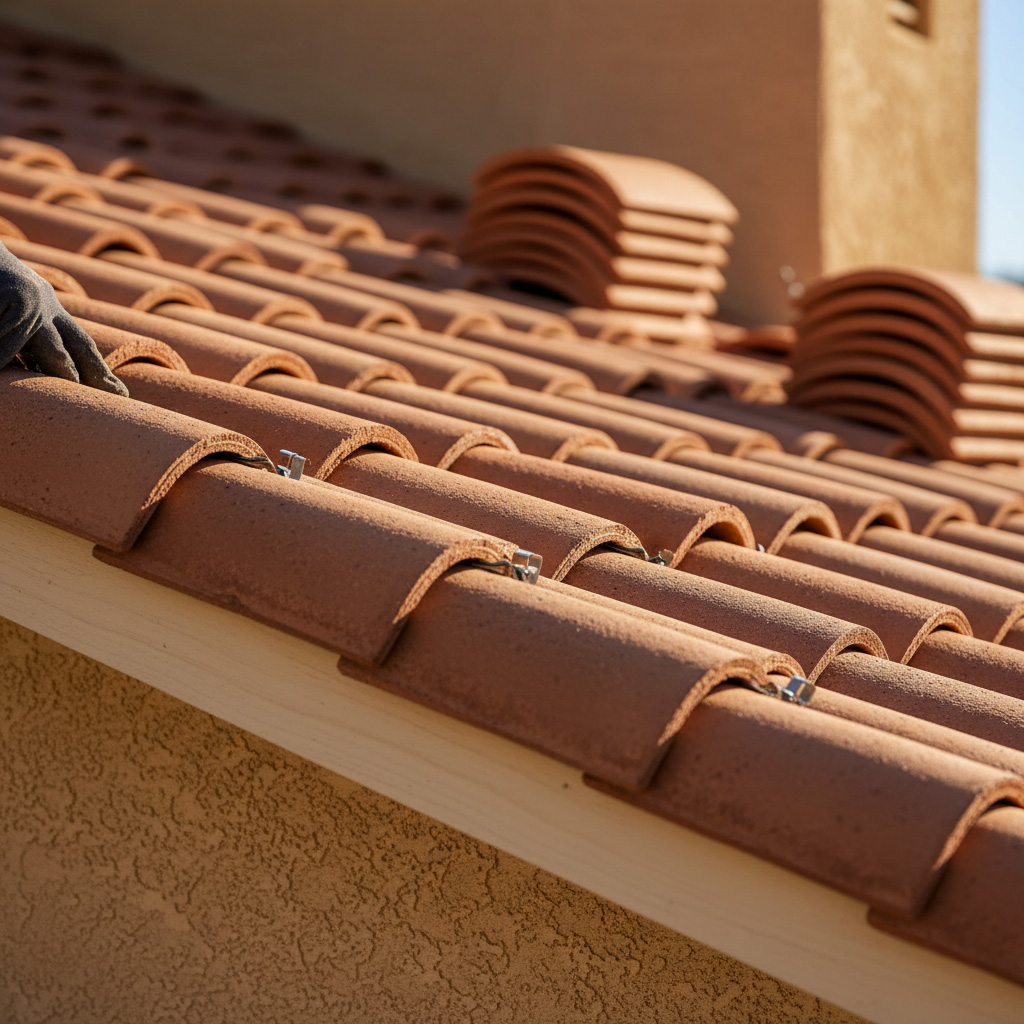
How Roof Ventilation Works to Cool Your Boston Attic
Picture this: Boston's summer heat blasts your roof, turning your attic into a 150-degree oven. Hot air rises and gets trapped without proper vents, baking your shingles and radiating heat down into your living spaces. Roof ventilation pulls that scorching air out fast, swapping it for cooler outside breezes.
Here's the simple magic at play:
- Intake vents under your eaves suck in fresh, cooler air from outside.
- Hot attic air automatically rises toward ridge or gable vents up top.
- Exhaust vents push it out, creating a steady airflow that drops attic temps by 30-50 degrees.
In Boston's humid swings, this setup fights moisture buildup too. No more sweaty ceilings or mold risks. Your AC kicks back, sipping power instead of guzzling it.
Top Energy-Saving Benefits for Beantown Homeowners
Picture this: your attic hits 150 degrees on a Boston heat wave day. That trapped heat radiates down, making your AC battle non-stop. Good ventilation flushes it out fast, cutting your cooling costs by up to 30%.
Why Boston Homes Win Big
- Shrinks energy bills – less AC runtime means real cash back in your pocket every month.
- Boosts roof lifespan – cooler temps slow shingle wear, dodging those pricey replacements.
- Beats humidity – pulls moist air away, stopping mold and keeping your home drier.
Come winter, it pulls cold air up and out too. No more ice dams clogging gutters in a Nor'easter. Your whole house stays balanced, comfy, and cheap to run.
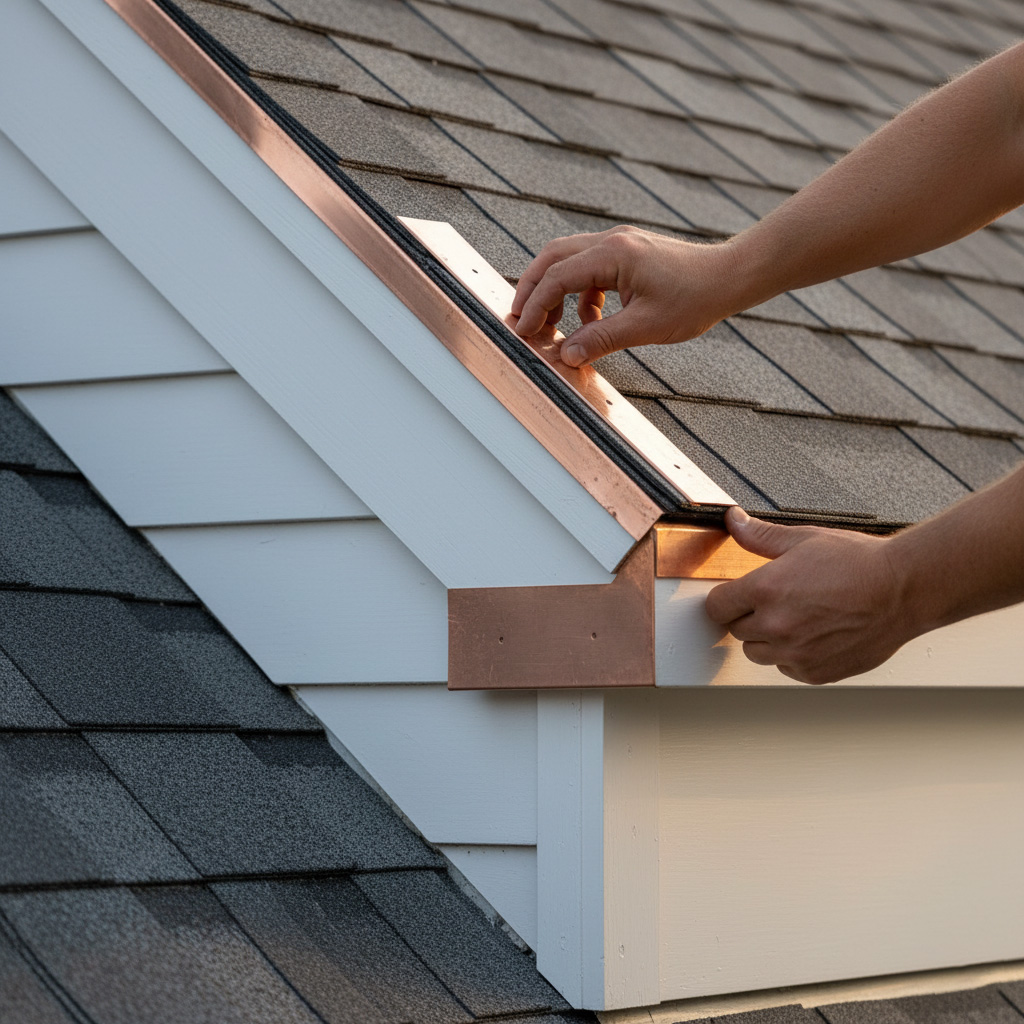
Essential Types of Roof Ventilation Systems for Boston Climates
Boston's wild weather swings demand ventilation that handles muggy summers and brutal winters. You need systems tough enough for heavy snow loads and high humidity. Skip the weak stuff. Go for proven winners that pull hot air out fast.
Passive Ventilation Champs
These bad boys work without electricity. They rely on wind and heat to move air. Perfect for Beantown's unpredictable breezes.
- Soffit and ridge vents: Intake at eaves, exhaust at the peak. Creates natural airflow that cools attics like a champ.
- Gable vents: Sidewall openings for cross-breeze action. Cheap install, solid for older homes in Back Bay.
Powered Up for Tough Jobs
When passive falls short, powered vents kick in. They use fans to suck out heat 24/7. Ideal for tight roof pitches common in Boston.
- Turbine vents: Spin with wind, boost exhaust without power bills. Handle snow like pros.
- Solar-powered attic fans: Free energy from the sun. Slash AC use during those Fenway-hot days.
Match the type to your roofline. A pro assessment nails the best fit for max savings.
Key Signs Your Roof Ventilation Needs an Upgrade
Spotting trouble early saves you cash and headaches. Your roof whispers clues before it screams. Ignore them, and those Beantown summers turn brutal.
Here are the red flags screaming for a ventilation check:
- Skyrocketing energy bills: Attic heat forces your AC into overdrive, no matter how much you tweak the thermostat.
- Attic hotter than a July T station: Stick your head up there. Over 130°F means trapped air is cooking your home.
- Ice dams lurking in winter: Poor airflow lets snow melt unevenly, refreezing into dagger-like dams that wreck shingles.
- Mold spots or musty smells: Stagnant, humid air breeds nasty growth, risking your family's health.
- Shingles curling or cracking early: Heat buildup ages your roof twice as fast in Boston's wild weather swings.
Notice any of these? Don't wait for the next nor'easter. A quick inspection reveals if ventilation is your villain.
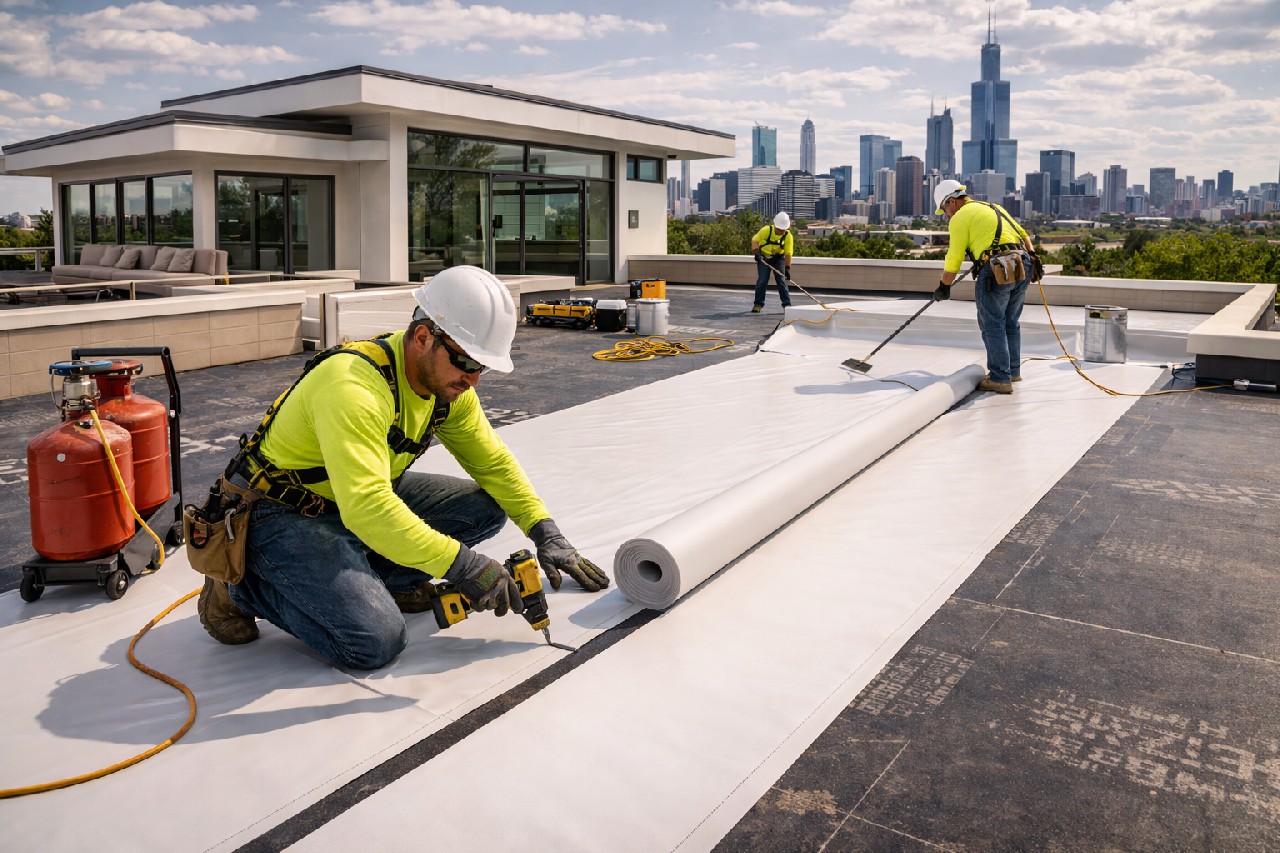
Step-by-Step Roof Ventilation Installation Guide
Think DIY? Hold up. Roof ventilation install beats most home projects for sweat and risk. Call Boston roofers like us unless you're a ladder ninja.
Step 1: Assess Your Attic Setup
Climb up there first. Check current vents, insulation gaps, and hot spots with a thermal camera if you can snag one.
- Measure roof pitch and square footage.
- Spot blockages like old insulation.
- Decide on ridge, soffit, or turbine vents based on your setup.
Step 2: Gather Tools and Materials
Skip shortcuts here. Wrong gear means leaks or failures down the road.
- Essentials: Recip saw, drill, roofing cement, vent kits, safety harness.
- Boston winters demand weatherproof seals.
- Match intake (soffit) to exhaust (ridge) ratios perfectly.
Step 3: Cut, Install, Seal
Mark cut lines precisely. Fire up the saw on a cool day to dodge shingles warping.
- Install soffit vents first for cool air pull.
- Cap ridge line with continuous vent strips.
- Slather generous sealant around edges. Test airflow with a fan before buttoning up.
Pro tip: Balance keeps pressure even. Mess it up, and you're back to high bills.
Case Study: Transforming a South End Home's Energy Bills
Meet Mike, a South End homeowner tired of $450 summer electric bills. His 1920s brownstone baked under Boston's humid heat. Attic temps hit 140°F, making his AC run non-stop.
The Problem Hits Hard
Mike's old roof had zero ridge vents. Hot air stewed up top, leaking into living spaces. He sweated through nights and cursed NStar statements.
Quick Fix with Powered Vent Fans
We ripped out the soffit blocks and added two 20-inch powered attic fans plus ridge venting. Install took one day. Cost? Under $2,500, including tweaks for Boston's freeze-thaw cycles.
Results That Paid Off Fast
- Attic temps dropped 40°F on peak days.
- Energy bills sliced 28% first summer – saved $1,200 yearly.
- AC lasted longer; no more breakdowns.
Mike now brags to neighbors. His home stays cool without cranking the thermostat. Proof positive for Beantown roofs.
Final Thoughts
Listen up, Boston homeowners. You've got the facts: killer ventilation drops your energy bills, fights off shingle rot, and keeps your attic from baking. Stop throwing cash at runaway AC costs. Grab control now.
Picture this: cooler summers, lower bills, and a roof that lasts decades longer. Our crew nails these installs fast and right, tailored for Beantown's wild weather swings. Ready to join the energy savers?
Next Move? Hit Us Up
- Spot hot spots in your attic? Call today.
- Want a free check? Book roof ventilation installation now.
- Save big before the next heat wave hits.
Don't wait. Your wallet will thank you.
People Also Ask
How does roof ventilation help cool attics in Boston homes?
Roof ventilation works by allowing hot air to escape from the attic through vents while cooler air enters from soffit vents, creating natural airflow that reduces attic temperatures significantly. In Boston's humid summers, this prevents heat buildup that can make your home uncomfortably warm and strain your AC system. Proper ventilation can lower attic temps by up to 30 degrees, leading to noticeable energy savings for Beantown homeowners.
What are the main benefits of roof ventilation for energy savings in Boston?
Roof ventilation reduces the need for excessive air conditioning by keeping attics cooler, directly cutting down on energy bills during Boston's hot, humid summers. It also extends shingle life by minimizing heat damage and moisture buildup, preventing costly roof repairs. Homeowners often see 10-20% savings on cooling costs, making it a smart investment for energy-conscious Boston residents.
Which types of roof ventilation systems are best for Boston's climate?
Soffit and ridge vents provide passive ventilation ideal for Boston's variable weather, promoting continuous airflow without mechanical parts. Powered attic fans or solar-powered options excel in humid conditions by actively exhausting hot air. For optimal performance in Beantown, combine intake and exhaust vents to handle both summer heat and winter ice dams effectively.
What are the signs that my Boston roof needs better ventilation?
Look for higher-than-normal energy bills, attic temperatures exceeding 130°F, or shingles curling prematurely due to heat damage. Other red flags include moisture stains, mold growth, or ice dams in winter from poor airflow trapping heat and humidity. If your South End or Back Bay home shows these issues, professional ventilation upgrades can restore efficiency and protect your investment.
How much does roof ventilation installation cost in Boston?
Costs typically range from $1,000 to $3,500 depending on home size, vent type, and complexity, with passive systems being more affordable than powered ones. In Boston, factors like steep roofs or historic homes may increase labor, but incentives like Mass Save rebates can offset expenses. Contact local experts for a free quote to ensure tailored, energy-saving installation.

Boston Roofing is a dedicated roofing company serving the Boston, MA area. With years of hands-on experience, the team specializes in residential and commercial installations, repairs, and maintenance. Deeply rooted in the local community, Boston Roofing addresses the region's unique weather demands with reliable craftsmanship.
Need Roofing?
Fast roof repairs and replacements in Boston, MA and nearby areas deliver weather-tight protection that lasts. (02108, 02109, 02110, 02115, 02116)
Get Roof Quote